Home / Water damage restoration in Tampa
Tampa • Property assessment & cleanupWater damage restoration in Tampa
A leak or overflow can leave moisture in materials that look dry. Use this guide to distinguish source repairs, drying and any mold-related work. If mold cleanup is needed, review the remediation scope before requesting a contractor connection.
This phone connection service focuses on mold remediation. Standalone water-restoration connections are not confirmed. Arrange drying or source repairs with an appropriate provider; do not assume a remediation request includes these tasks.
Water-damage restoration considers the source, affected materials and drying needs. It is distinct from mold remediation. This guide explains the work to discuss with a provider; standalone water-restoration connections are not confirmed through this service.
On this page
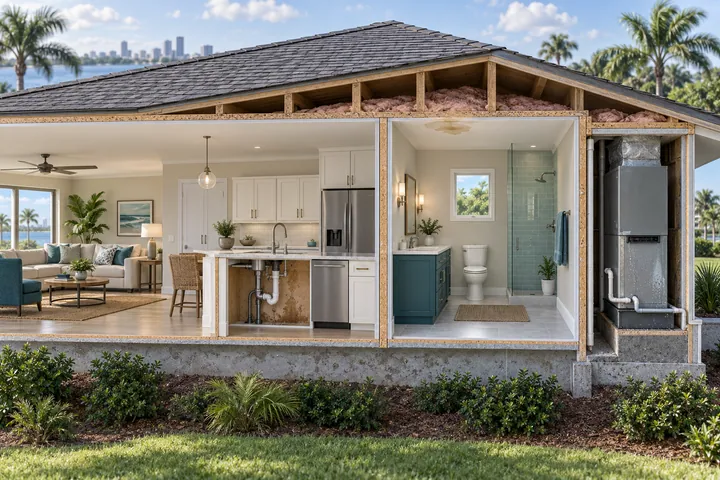
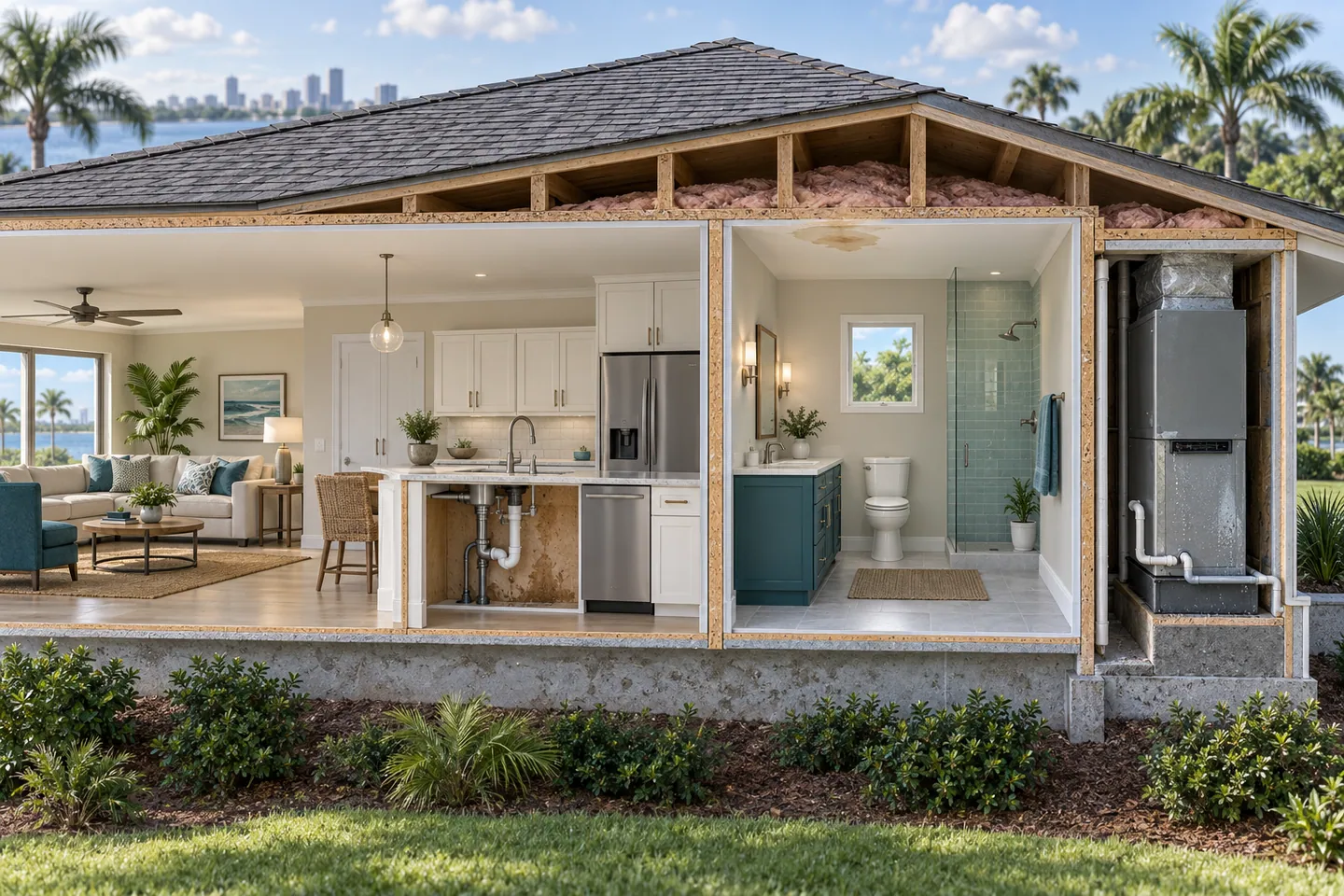
Separate source repairs, drying, and mold work
The plumber or roofer addressing the leak may have a different scope from the team evaluating affected materials. Identify what has already been done and what remains unresolved so the proposed work does not leave a gap.
Before you book
- Record when water was discovered, the areas involved, and any source repair.
- Collect drying records, photographs, and previous invoices if available.
- Ask which drying, removal, rebuilding, and documentation tasks are included.
Questions about this service
Does every water event need mold remediation?
Not necessarily. The condition of the property and affected materials determines the next step. Explain the water history when requesting an assessment rather than assuming that a restoration and remediation scope are identical.
What happens when I call?
Share the property address, the areas of concern, and any time constraints. Ask which service is appropriate, what it costs, and when an appointment is available. Calling or emailing does not automatically book or authorize work.
Establish the event and repair status
Tell us when the water was discovered, where it entered, which rooms were involved, and whether the source has stopped. A supply-line leak, roof intrusion, and water entering from outside are not interchangeable histories. Describe what is known rather than guessing at the water's condition. If there are electrical, structural, or contaminated-water hazards, use the appropriate emergency or specialist assistance. Do not enter an unsafe area to obtain photographs. Once access is appropriate, existing photos and a simple timeline help explain what has happened.
Follow the affected materials, not only the visible puddle
Water may affect adjacent finishes, cabinetry, floor layers, and wall assemblies. The assessment should identify accessible areas and any uncertainty about concealed materials. A dry-looking surface does not describe the condition of every layer below it. Ask how the proposed scope distinguishes materials to be dried from materials that require removal or further evaluation. If another company started drying, provide its records and equipment dates. This prevents the next team from having to infer the previous work from the room's present appearance.
Drying records and source repairs
Agree on the observations or measurements to be documented and who will explain progress. Equipment placement and monitoring should relate to the affected materials and property layout. An equipment rental period by itself is not the same as a documented completion decision. The restoration scope should also identify who repairs the leak. A plumber, roofer, or HVAC contractor may have a separate assignment, even when restoration is underway. Keep that schedule coordinated so cleanup is not followed by another water event from the same unresolved source.
When mold-related work enters the plan
Not every water event requires an identical mold scope. If visible growth, odor, or damaged materials raise a concern, discuss the relevant assessment and any changes needed to the restoration plan. Ask how the work area and debris will be managed before affected materials are opened. Use the remediation guide to compare that part of the work. Sampling is a separate decision, and a lab report does not replace repairs, drying, or material-specific cleanup.
Rebuilding and documentation
Before new flooring, cabinets, or drywall are installed, confirm what has been completed and what remains outstanding. The person doing reconstruction needs the relevant record of source repairs, affected materials, and agreed completion checks. Clarify whether reconstruction is included in the estimate or separately contracted. For an insurance inquiry, retain photos, the loss timeline, repair invoices, estimates, and the documents supplied during restoration. Coverage and reimbursement depend on the insurer and policy; arranging restoration does not itself authorize an insurance payment.
More questions about water damage restoration in Tampa
Can I wait until everything looks dry?
Appearance alone may not show moisture in concealed or layered materials. Describe the event promptly so the appropriate assessment and response can be discussed.
Do you repair the pipe or roof too?
Source repair and water restoration are different tasks. Confirm the included work and which licensed trade will handle plumbing, roofing, equipment, or reconstruction before authorizing the project.
How long will drying take?
It depends on the water history, materials, access, and site conditions. Request progress information and completion criteria instead of relying on a fixed duration from a website.
Scope and cost
Before authorizing a visit or project, confirm the fee, the rooms and tasks included, access requirements, and any separate sampling, repairs, or verification. If findings change the work, request an updated scope before proceeding.
If a leak has left visible growth or a persistent odor at a Wesley Chapel property, review Wesley Chapel mold removal planning for ZIP coverage and the cleanup handoff. Fixing a water source and removing affected materials are separate scope questions.
Related services and next steps
Discuss your property with Tampa Mold Fix
Call (813) 296-6859 or use the contact checklist to arrange the next step. Confirm the service, appointment, and fee before a visit.
Tampa, FLPage content updated October 15, 2026. Published by Tampa Mold Fix. Service details are confirmed for the individual property. Compare assessment scopes · ZIP coverage and location guides.